Even when the office is closed, the phone is still crucial to veterinary clinics. Pets can get sick at night clients are anxious on weekends, and pressing questions rarely arrive at convenient timings. If calls aren’t answered, sent to voicemail or a generic answering service with no clinical understanding can cause anger for pet owners, anxiety for vets on call and lost opportunities to the practice.
It is due to this that after-hours communication is such an essential aspect of vet operations. A solid answering service for veterinary practices can do more than just answer the phone. It is able to help practices maintain relations with their clients, guide pet parents through the most appropriate step, and ease the workload of their internal staff. Today, in the veterinary field 24/7 support is not just a convenience. It’s a part of how a practice ensures continuity of care.
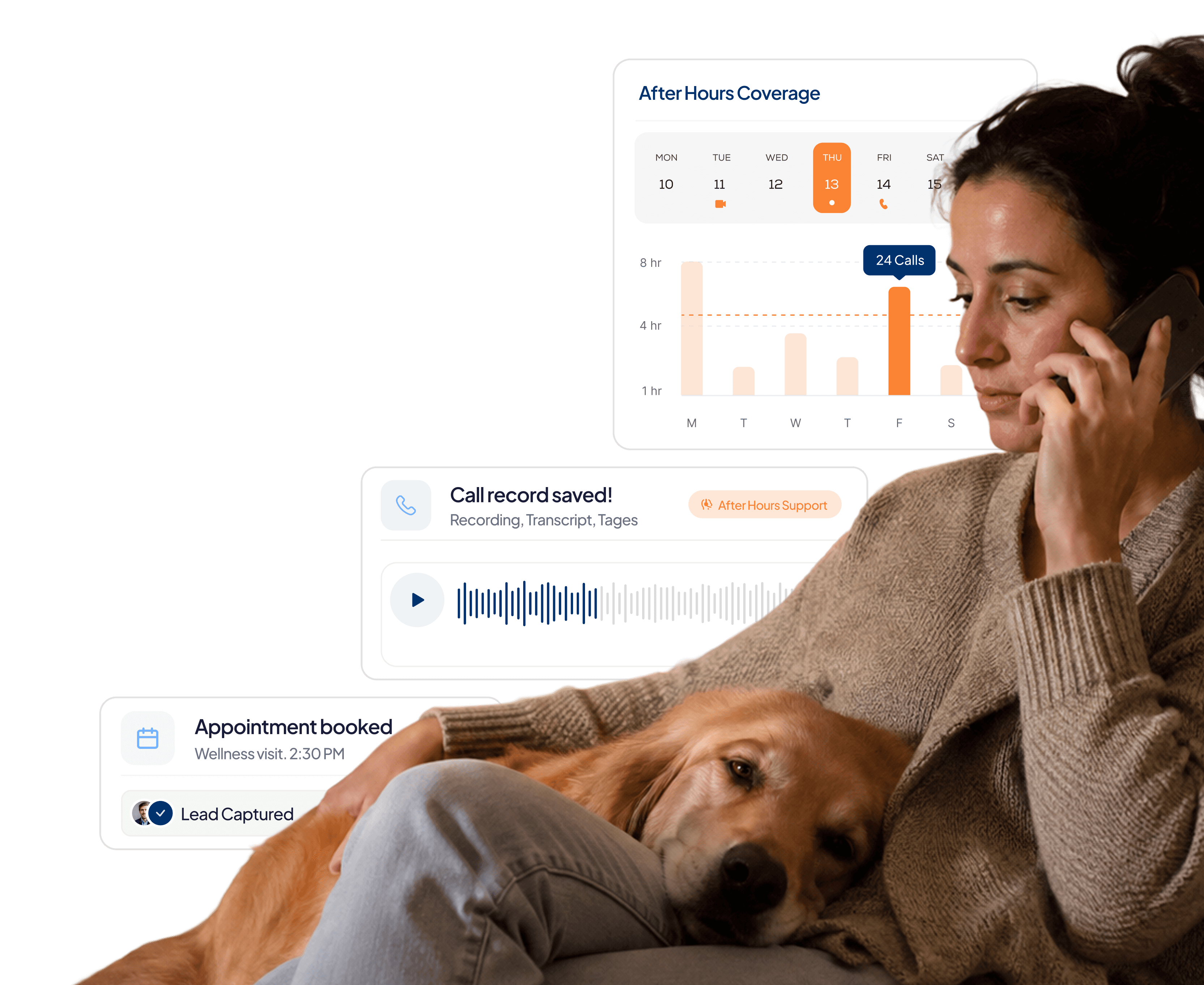
Image credit: guardianvets.com
Every answering system is not designed for use in veterinary medicine.
There is a major difference between a generic answering service and a specialized vet answering service built specifically for animal hospitals. In a hospital setting, answering calls after hours is not easy. The patient may be worried about toxins, post-surgical problems breathing problems, vomiting or even if their pet requires urgent care. These kinds of situations require more than a simple text message. It requires a calm, logical communication and a structured approach from a person who is knowledgeable of the workflow in veterinary practice and understands urgency.
GuardianVets is distinct in this respect. GuardianVets is not a typical call center. It is a vet supported support provider staffed by certified veterinary technicians. That distinction matters. A trained technician can assess the nature of the call, follow the clinic’s triage and escalation protocols, help the pet owner understand the level of urgency, and direct them toward the right next step without stepping outside the boundaries of the veterinary-client-patient relationship.
The vet triage service could aid in making better decisions for everyone.
It is vital to have a veterinary triage service that will help you make the right choices in difficult situations. Owners of pets often don’t know if an issue could be put off until the next day, whether they’ll need to make an additional appointment or if they require urgent medical attention. Many are left in the dark and rush to an emergency hospital without a need or delay seeking help.
It can help close the gap. It gives pet owners a knowledgeable individual to speak to, which helps reduce confusion and assists the practitioners in ensuring that urgent cases are dealt with accordingly, while the non-urgent complaints are recorded correctly and dealt with. This helps vets avoid being interrupted by cases which don’t require intervention from a doctor after hours. This can have a significant impact on work-life balance in hospitals, where doctors take on the clinical burden throughout the day, as well as being on call during the night.
It is essential that the call center you choose fits your needs, and is not in conflict with them.
A modern call center for veterinary medicine is not a unconnected service that is located outside of your practice. It should be an extension of the team you work with. This means you must be aware of your appointment rules, emergency protocols, routes to escalation, and communications preferences. Also, it is important to integrate your PIMS, so that notes on triage and scheduling results are integrated into the system already used by your team.
GuardianVets is built around that idea. Their process includes auditing gaps in coverage for calls and mapping the way in which communication with clients is being handled and establishing an operational system that mirrors what is happening in the clinic instead of forcing the clinic into a rigid format. This is a major contrast to the traditional answering service, which generally stops at message capture before giving it to the clinic.
More coverage after hours improves than the convenience
A reliable veterinary answering service after hours can do more than simply reduce call drops. It helps preserve client trust during times of stress, keep more cases within the practice network when appropriate and provides teams with a more sustainable way to manage demand after hours. It also helps increase revenue by turning weekends or night-time inquiries into scheduled appointments, instead of lost opportunities.
This gives pet owners peace of mind that they can get help should they need it. In veterinary medicine this kind of support is vital because the majority of calls made after hours do not just involve logistics. They can also be emotional. The way you react to a beloved animal may affect how they feel after the incident has been resolved.
GuardianVets is a veterinary answering service that offers hospitals a solution that goes above and beyond what is typical. It allows practices to remain available for clients, even when the doors of the clinic are shut, through integrating workflows, clinical triage and compassionate communication.
How Veterinary Practices Can Reduce Unnecessary ER Referrals After Hours
Even when the office is closed, the phone is still crucial to veterinary clinics. Pets can get sick at night clients are anxious on weekends, and pressing questions rarely arrive at convenient timings. If calls aren’t answered, sent to voicemail or a generic answering service with no clinical understanding can cause anger for pet owners, anxiety for vets on call and lost opportunities to the practice.
It is due to this that after-hours communication is such an essential aspect of vet operations. A solid answering service for veterinary practices can do more than just answer the phone. It is able to help practices maintain relations with their clients, guide pet parents through the most appropriate step, and ease the workload of their internal staff. Today, in the veterinary field 24/7 support is not just a convenience. It’s a part of how a practice ensures continuity of care.
Image credit: guardianvets.com
Every answering system is not designed for use in veterinary medicine.
There is a major difference between a generic answering service and a specialized vet answering service built specifically for animal hospitals. In a hospital setting, answering calls after hours is not easy. The patient may be worried about toxins, post-surgical problems breathing problems, vomiting or even if their pet requires urgent care. These kinds of situations require more than a simple text message. It requires a calm, logical communication and a structured approach from a person who is knowledgeable of the workflow in veterinary practice and understands urgency.
GuardianVets is distinct in this respect. GuardianVets is not a typical call center. It is a vet supported support provider staffed by certified veterinary technicians. That distinction matters. A trained technician can assess the nature of the call, follow the clinic’s triage and escalation protocols, help the pet owner understand the level of urgency, and direct them toward the right next step without stepping outside the boundaries of the veterinary-client-patient relationship.
The vet triage service could aid in making better decisions for everyone.
It is vital to have a veterinary triage service that will help you make the right choices in difficult situations. Owners of pets often don’t know if an issue could be put off until the next day, whether they’ll need to make an additional appointment or if they require urgent medical attention. Many are left in the dark and rush to an emergency hospital without a need or delay seeking help.
It can help close the gap. It gives pet owners a knowledgeable individual to speak to, which helps reduce confusion and assists the practitioners in ensuring that urgent cases are dealt with accordingly, while the non-urgent complaints are recorded correctly and dealt with. This helps vets avoid being interrupted by cases which don’t require intervention from a doctor after hours. This can have a significant impact on work-life balance in hospitals, where doctors take on the clinical burden throughout the day, as well as being on call during the night.
It is essential that the call center you choose fits your needs, and is not in conflict with them.
A modern call center for veterinary medicine is not a unconnected service that is located outside of your practice. It should be an extension of the team you work with. This means you must be aware of your appointment rules, emergency protocols, routes to escalation, and communications preferences. Also, it is important to integrate your PIMS, so that notes on triage and scheduling results are integrated into the system already used by your team.
GuardianVets is built around that idea. Their process includes auditing gaps in coverage for calls and mapping the way in which communication with clients is being handled and establishing an operational system that mirrors what is happening in the clinic instead of forcing the clinic into a rigid format. This is a major contrast to the traditional answering service, which generally stops at message capture before giving it to the clinic.
More coverage after hours improves than the convenience
A reliable veterinary answering service after hours can do more than simply reduce call drops. It helps preserve client trust during times of stress, keep more cases within the practice network when appropriate and provides teams with a more sustainable way to manage demand after hours. It also helps increase revenue by turning weekends or night-time inquiries into scheduled appointments, instead of lost opportunities.
This gives pet owners peace of mind that they can get help should they need it. In veterinary medicine this kind of support is vital because the majority of calls made after hours do not just involve logistics. They can also be emotional. The way you react to a beloved animal may affect how they feel after the incident has been resolved.
GuardianVets is a veterinary answering service that offers hospitals a solution that goes above and beyond what is typical. It allows practices to remain available for clients, even when the doors of the clinic are shut, through integrating workflows, clinical triage and compassionate communication.
Related Posts
A Lawyer’s Track Record Needs Context, Not Guarantees
One Slice at a Time: A Smarter Way to Compare Bread Nutrition
Why Rooflines, Siding, Colors, and Materials Matter in Public Park Buildings
Before Hiring an ISO Consultant, Figure Out Which Work Your Team Can Already Do