One buyer is delighted by the shade, yet following several hours of wear the cap becomes a source of discomfort. A second wearer likes the convincing hairline, yet would rather avoid twenty minutes of lace adjustments each morning. For a third buyer, the appearance is not the issue. It is the unexpectedly heavy feel created by the wig’s density.
A product development team can view such responses as something beyond reviews. They identify opportunities to create wigs customers genuinely like to wear.
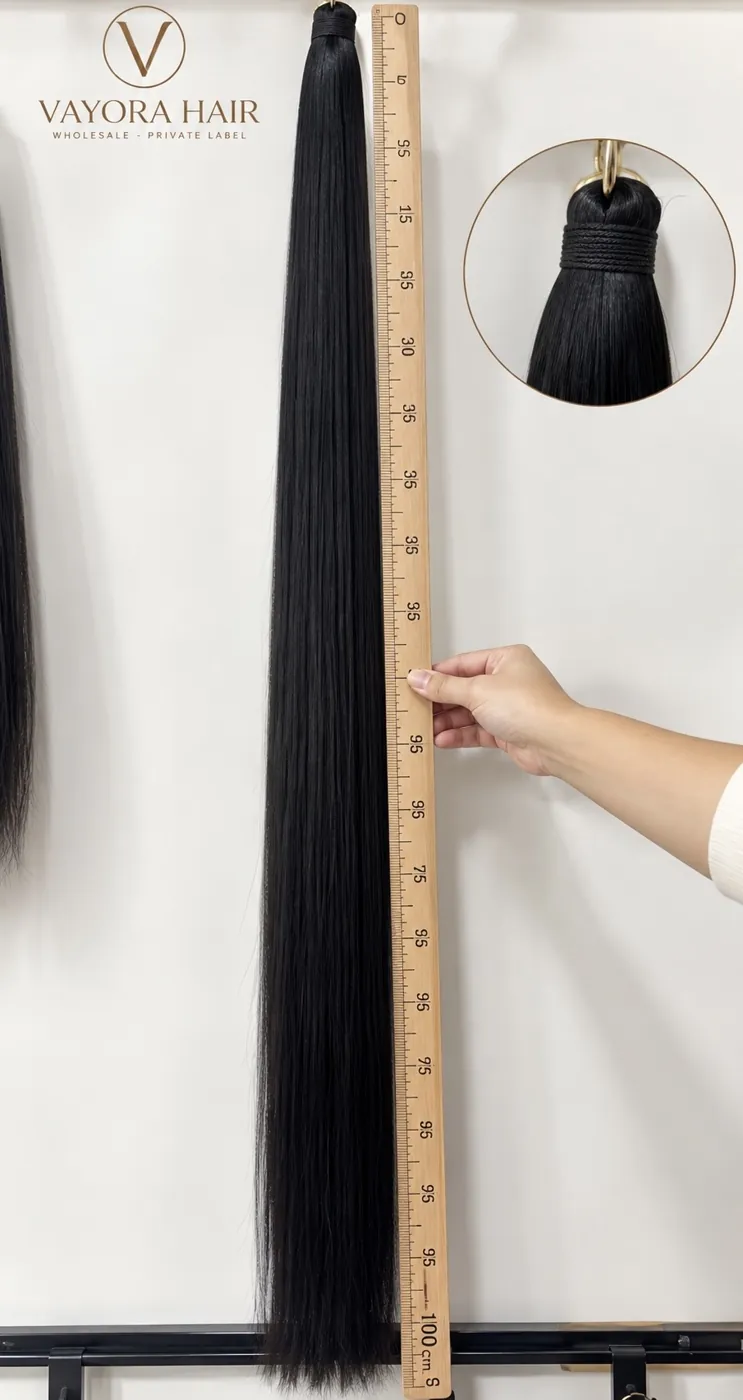
Image credit: vayorahair.com
The most recent viral look is not necessarily the starting point of a successful wig collection. The foundation is a clear understanding of the wearing experience that buyers want.
Explore the Concerns Behind Customer Feedback
Customers rarely describe their needs using manufacturing terminology. They talk about comfort, convenience, appearance, and confidence. A glueless construction could be one response to feedback about making mornings easier. Complaints about an unnatural hairline could indicate that lace appearance, knot treatment, density, or parting design needs attention.
A human hair wig manufacturer China brands work with should be able to translate these everyday concerns into measurable product specifications.
Rather than asking for a 22-inch body-wave wig alone, a buyer can outline the experience intended for wearers, cap fit, lace construction, the look of the hairline, and finished weight. Such specificity provides the development team with a more precise goal.
Make Your Private Label Collection Recognizable
Rather than defining their own range, many emerging brands follow the products currently in demand. Such an approach can leave the brand with a range that looks strikingly like competitors’ offerings.
Choosing a private label wig manufacturer China retailers can work closely with gives brands an opportunity to create a more consistent identity across the range. Possible directions include a lightweight everyday range, a premium collection with natural-looking hairlines, or ready-to-wear wigs for buyers who want minimal preparation. Texture, length, color, density, cap construction, and packaging should support the same customer promise. Rather than relying solely on limited-time savings, a recognizable collection offers shoppers another reason to come back.
Glueless Wigs Go Beyond a Name
The term “glueless” sounds simple, but the wearing experience depends on several construction details. To understand fit, consider cap sizing and adjustment features, attachment components, lace preparation, and hairline design. All influence how comfortable and secure the wig feels.
A glueless wig manufacturer China buyers choose should help clarify these requirements before production begins. For a range intended for people purchasing their first wig, the priorities may include manageable density, pre-cut lace, and straightforward adjustments. The customization needs for a professional stylist’s collection may be different. There is no inherent superiority for either approach. Each serves a different customer.
How Sampling Supports a Brand’s Reputation
Even a detailed photograph provides only part of the information about a wig. Buyers need to examine how the cap fits, how the hair moves, whether the color matches expectations, and whether the finished construction reflects the approved design. Reviewing samples allows buyers to identify differences before committing to a larger order.
Repeat production makes documented specifications and quality-control procedures especially significant for a wholesale human hair wigs supplier. Even a well-received first batch may be hard to replicate consistently if clear references are missing.
Position Your Collection for Future Growth
For B2B wig brands, retailers, and distributors, VAYORA provides support across product development, private label services, sampling, specification control, and repeat-production workflows. The approach relates customer expectations to the physical features that shape the wig’s appearance, fit, and feel.
Prior to expanding a product range, brands should study customer feedback, identify their strongest product opportunities, and set clear approval standards. The next collection’s success may have little to do with expanding the style count. Instead, success may come from addressing compromises in the styles customers are already interested in.