Blockchain technology has changed the way we conduct digital transactions, however, navigating the technology can seem overwhelming. No matter if you’re a programmer, NFT enthusiast or DeFi investor tracking transactions is vital. Flow, which is among the most reliable and scalable blockchains, offers powerful tools to help with this. If you’ve ever wanted to know how to check transaction history in Flow Explorer, read Flow block information on Flowscan or utilize Flow EVM Scan to scan transactions, this tutorial is perfect for you.
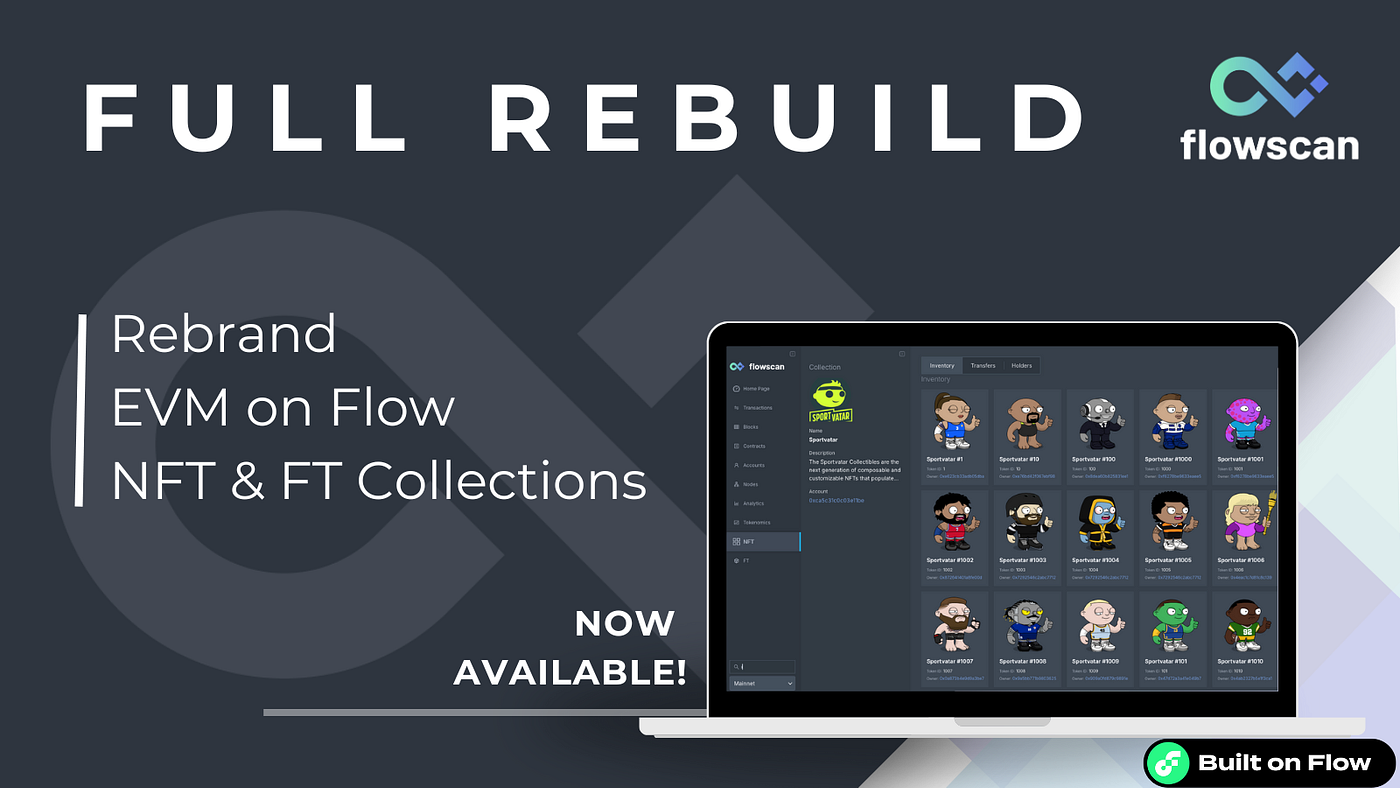
Image credit: flowscan.io
How do you utilize Flow Explorer efficiently for tracking your flow transactions
Looking up transaction history on the Flow Explorer. Every time you transfer, receive or interact with Flow-based assets, an account is recorded in the blockchain. Unlike traditional banks, which rely on intermediaries to confirm transactions, Flow’s unalterable and transparent ledger allows real-time verification of every transaction.
To review your transaction history in Flow Explorer, you simply need the transaction ID (TXID) or the address of your wallet. When you enter this information into the search bar on Flow Explorer’s page and you’ll be able to access information like:
If the transaction was successful, pending, or failed the transaction is successful, pending, failed.
The wallet address of the person who is involved during the transaction.
Reference the block number and timestamp.
The fee for gas used in processing.
It’s particularly helpful when you’re waiting for the completion of a transaction, troubleshooting failed transactions, or simply keeping track of your activities. It lets you see all of your digital assets.
Decoding Flow Blockchain How to read data from blocks on Flowscan
Reading Flow blocks on Flowscan. Flowscan offers a comprehensive view of Flow’s blockchain activity. Unlike Flow Explorer that focuses on one transaction, Flowscan offers the ability to look at the entire block offering you a better understanding of how the system works.
Blocks are used to store every transaction of Flow. They function as batches that verify multiple simultaneous operations. You can locate the following details by searching Flowscan for a block or hash number:
The number of transactions that make up the block.
The time it takes to complete the block.
The wallet addresses and smart contracts are involved.
A log of the past network activity, helping users and developers track patterns.
For ordinary users it might seem like a complicated however it’s an effective method of ensuring that transactions were processed correctly and to understand how the Flow network prioritizes activities. It doesn’t matter if you’re checking for NFT coining token exchanges, token trading, or contract interaction, Flowscan makes sure that every step is taken into account.
Exploring Flow EVM Scan to find Smart Contracts and Cross-Chain Tracking
As Flow grows it’s compatibility with Ethereum applications is growing. This is where Flow EVM Scan comes in. If you’re familiar with Etherscan, you’ll discover this tool useful in tracking smart contracts, DeFi interactions, and token transactions on Flow’s EVM-compatible environment.
By entering a contract or wallet address in the Flow EVM scan lets you:
Verify wrapped assets as well as cross-chain transfers.
Check DeFi stake rewards and tokens.
Be sure that the smart contract integration is properly executed.
This tool is a bridge between Ethereum and Flow. It allows you to easily monitor and develop blockchain-related applications within both ecosystems.
Last Thoughts: Why Monitoring Flow Transactions Matters
Blockchain is about the security and transparency of transactions, but it is only possible to achieve this by using the appropriate tools. By understanding how to check transactions using Flow Explorer, read block information on Flowscan, and leverage Flow EVM Scan, you gain full control over the digital assets you have.
These tools can facilitate blockchain transactions, making them easy, speedier, and secure. So next time you send an order on Flow, don’t just trust the process. Check the transaction yourself.
Flow EVM Scan vs. Other Blockchain Explorers: What’s the Difference?
Blockchain technology has changed the way we conduct digital transactions, however, navigating the technology can seem overwhelming. No matter if you’re a programmer, NFT enthusiast or DeFi investor tracking transactions is vital. Flow, which is among the most reliable and scalable blockchains, offers powerful tools to help with this. If you’ve ever wanted to know how to check transaction history in Flow Explorer, read Flow block information on Flowscan or utilize Flow EVM Scan to scan transactions, this tutorial is perfect for you.
Image credit: flowscan.io
How do you utilize Flow Explorer efficiently for tracking your flow transactions
Looking up transaction history on the Flow Explorer. Every time you transfer, receive or interact with Flow-based assets, an account is recorded in the blockchain. Unlike traditional banks, which rely on intermediaries to confirm transactions, Flow’s unalterable and transparent ledger allows real-time verification of every transaction.
To review your transaction history in Flow Explorer, you simply need the transaction ID (TXID) or the address of your wallet. When you enter this information into the search bar on Flow Explorer’s page and you’ll be able to access information like:
If the transaction was successful, pending, or failed the transaction is successful, pending, failed.
The wallet address of the person who is involved during the transaction.
Reference the block number and timestamp.
The fee for gas used in processing.
It’s particularly helpful when you’re waiting for the completion of a transaction, troubleshooting failed transactions, or simply keeping track of your activities. It lets you see all of your digital assets.
Decoding Flow Blockchain How to read data from blocks on Flowscan
Reading Flow blocks on Flowscan. Flowscan offers a comprehensive view of Flow’s blockchain activity. Unlike Flow Explorer that focuses on one transaction, Flowscan offers the ability to look at the entire block offering you a better understanding of how the system works.
Blocks are used to store every transaction of Flow. They function as batches that verify multiple simultaneous operations. You can locate the following details by searching Flowscan for a block or hash number:
The number of transactions that make up the block.
The time it takes to complete the block.
The wallet addresses and smart contracts are involved.
A log of the past network activity, helping users and developers track patterns.
For ordinary users it might seem like a complicated however it’s an effective method of ensuring that transactions were processed correctly and to understand how the Flow network prioritizes activities. It doesn’t matter if you’re checking for NFT coining token exchanges, token trading, or contract interaction, Flowscan makes sure that every step is taken into account.
Exploring Flow EVM Scan to find Smart Contracts and Cross-Chain Tracking
As Flow grows it’s compatibility with Ethereum applications is growing. This is where Flow EVM Scan comes in. If you’re familiar with Etherscan, you’ll discover this tool useful in tracking smart contracts, DeFi interactions, and token transactions on Flow’s EVM-compatible environment.
By entering a contract or wallet address in the Flow EVM scan lets you:
Verify wrapped assets as well as cross-chain transfers.
Check DeFi stake rewards and tokens.
Be sure that the smart contract integration is properly executed.
This tool is a bridge between Ethereum and Flow. It allows you to easily monitor and develop blockchain-related applications within both ecosystems.
Last Thoughts: Why Monitoring Flow Transactions Matters
Blockchain is about the security and transparency of transactions, but it is only possible to achieve this by using the appropriate tools. By understanding how to check transactions using Flow Explorer, read block information on Flowscan, and leverage Flow EVM Scan, you gain full control over the digital assets you have.
These tools can facilitate blockchain transactions, making them easy, speedier, and secure. So next time you send an order on Flow, don’t just trust the process. Check the transaction yourself.
Related Posts
A Lawyer’s Track Record Needs Context, Not Guarantees
One Slice at a Time: A Smarter Way to Compare Bread Nutrition
Why Rooflines, Siding, Colors, and Materials Matter in Public Park Buildings
Before Hiring an ISO Consultant, Figure Out Which Work Your Team Can Already Do