Every three minutes in American schools, there is an invisible epidemic: student vapes. Health experts have labelled teens who vape as a major problem that is causing a lot of harm, with the CDC reporting that over 40 percent of high school students and 20% of middle schoolers have attempted vaping with electronic cigarettes. They are largely nicotine-based (99 percent). Nicotine is an addictive substance that can rewire brains in the developing stage and can be the gateway to smoking cigarettes. Parents, educators and administrators are under increasing pressure to do something about it. The vape detector is one of the most sophisticated tools that is fast becoming a must-have for campuses across the country. Triton and 3D Sense are the two most advanced vape detectors schools can use. They can do more than just emit an alarm.
How Vape Detectors Work: Precision Without intrusion
Modern vape smoke sensors like the Triton Ultra Smart Safety sensor does not rely on cameras or audio recordings to ensure confidentiality, but still providing valuable intelligence. It is based on particulate sensors which evaluate the air in real-time. When vape aerosols (like perfumes with strong scents) smoke from cigarettes, marijuana vapor appear it will send an immediate alert via text message or email to the designated staff members. False positives remain exceptionally low, allowing administrators to be confident that each notification requires immediate attention.
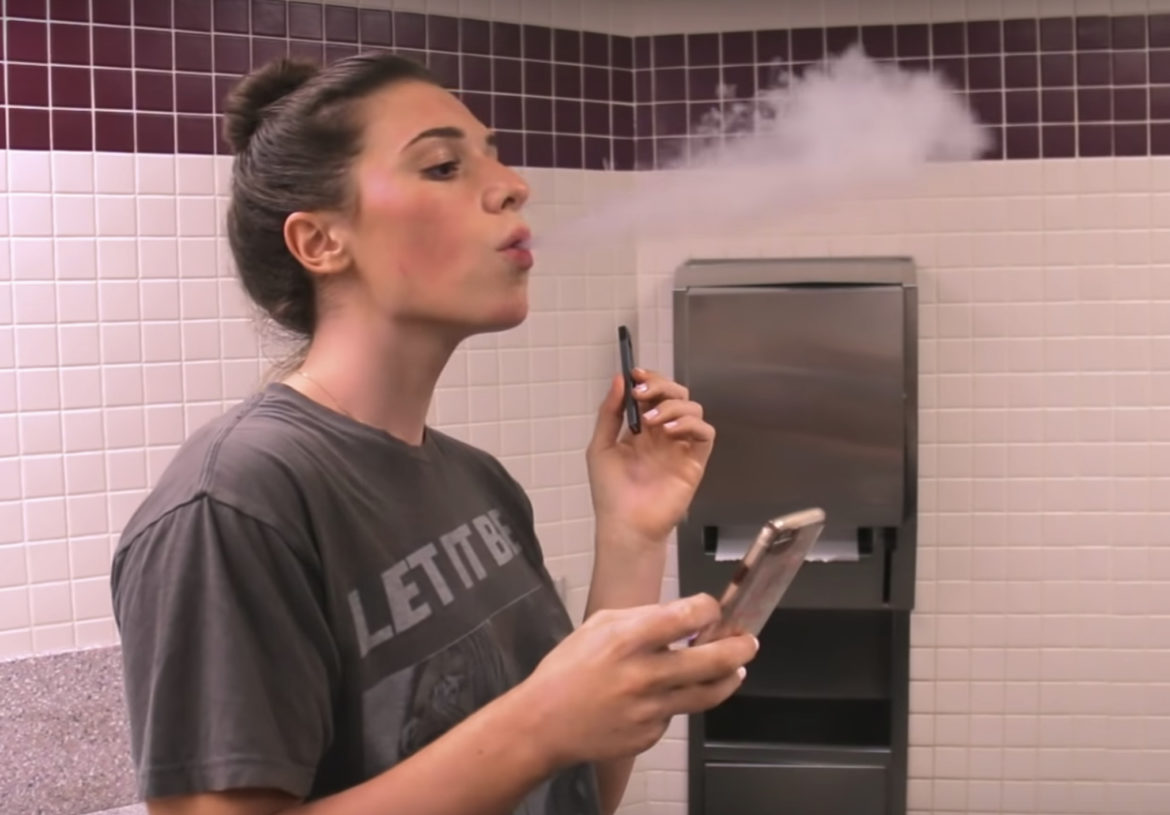
The expense of deployment can be reduced if one unit is used to cover an entire room. Triton users typically report that vaping incidents have diminished significantly in the five weeks following installation. What’s the reason? Data-driven deterrence. The Triton Cloud Dashboard reveals “hotspots” where vaping occurs the most often and at what time, allowing the principals to redirect hall monitors or security personnel precisely where they’re needed.
Beyond Detection: Occupancy Visualization & Loitering Control
What sets Triton apart from basic vape detectors is its patent-pending occupancy visualization technology. Without capturing images or sound it is the ULTRA sensor monitors the number of people and the time they spend in sensitive locations. Administrators will see heat maps that are color coded showing when bathrooms turn into social spaces that are ideal for vaping as well as the long-term close contact that can spread respiratory illnesses.
Stanford Medicine’s research underscores the importance of this issue Students who use vapes have a five-fold higher risk of contracting COVID-19. Because they reduce congregation, vape detectors for schools indirectly improve air quality and reduce the risk of transmission for the airborne pathogens. Post-pandemic, this dual effect has pushed these devices from optional to essential.
Turning Data into Discipline and Dialogue
The numbers tell a compelling story. Triton Reports module compiles quantifiable information about the incident’s timestamps. Locations, and frequency patterns. This data is made available to school boards. Parents groups. Even the students themselves. There is a gradual loss of doubt when an institution reports a 60% decrease in detections since detectors were set up. Parents will see that the students are committed; they will also be aware of the consequences.
Teachers can create a more powerful impact by making announcements about vape detectors on the first day. The 3D Sense model, for instance, advertises itself as an effective deterrent. Guidance materials suggest that students should be aware of the fact that air is always watching. Peer accountability follows: the social impact of alerting students often proves more powerful than any presentation.
A Multi-Front Strategy Schools Can’t Ignore
Vape detectors are not the only tool that can stop vaping. They are a part of a complete strategy.
Monitoring – Real time alerts capture incidents as they are happening.
Education – Research based on evidence-based practices fuels anti-vaping curricula.
Deterrence- Visible signage with known consequences can shift behavior.
Discipline – Hotspot data justifies targeted enforcement.
Support Schools combine detections with cessation tools for struggling students.
The CDC stresses that changing this trend requires “buy-in” from educators, parents, and society. Vape detectors can provide the missing link: real-time, instant feedback that transforms good intentions into tangible results.
Simple Installation
Triton Cloud Dashboard makes it easy to register your devices. Administrators can add contacts, modify notifications, and set alarm thresholds. A brief demonstration demonstrates how intuitive the interface truly is. You can schedule a demo to view live hotspot maps and historical graphs in real time.
Conclusion
Every puff you don’t take is a risk to an entire lifetime of addiction. Every bathroom incident that isn’t detected poses the risk of your safety and health. Vape detectors at schools like Triton and 3D Sense offer more than surveillance they deliver security, intelligence, and evidence of advancement. The campuses that install them aren’t merely reacting to the growing vaping problem; they are regaining control.
These tools can turn nebulous issues into concrete victories. They can include sensors in every room, occupancy insights that are private, as well as fast alert systems. In a time where 40 percent of high school students have tried out the technology, and middle-school numbers are rising daily, waiting longer is sensible. The air you breathe in your school contains evidence. Make sure you’re the first one to understand what it’s saying.