Septic tanks play an important function in the management of wastewater especially for homes that are not connected to municipal sewers. Property owners have two choices when it comes to selecting the most suitable tank for their septic system either precast or concrete. Both come with distinct aspects and advantages. By understanding the differences the property owners can make an informed decision to ensure a sustainable disposal of wastewater.
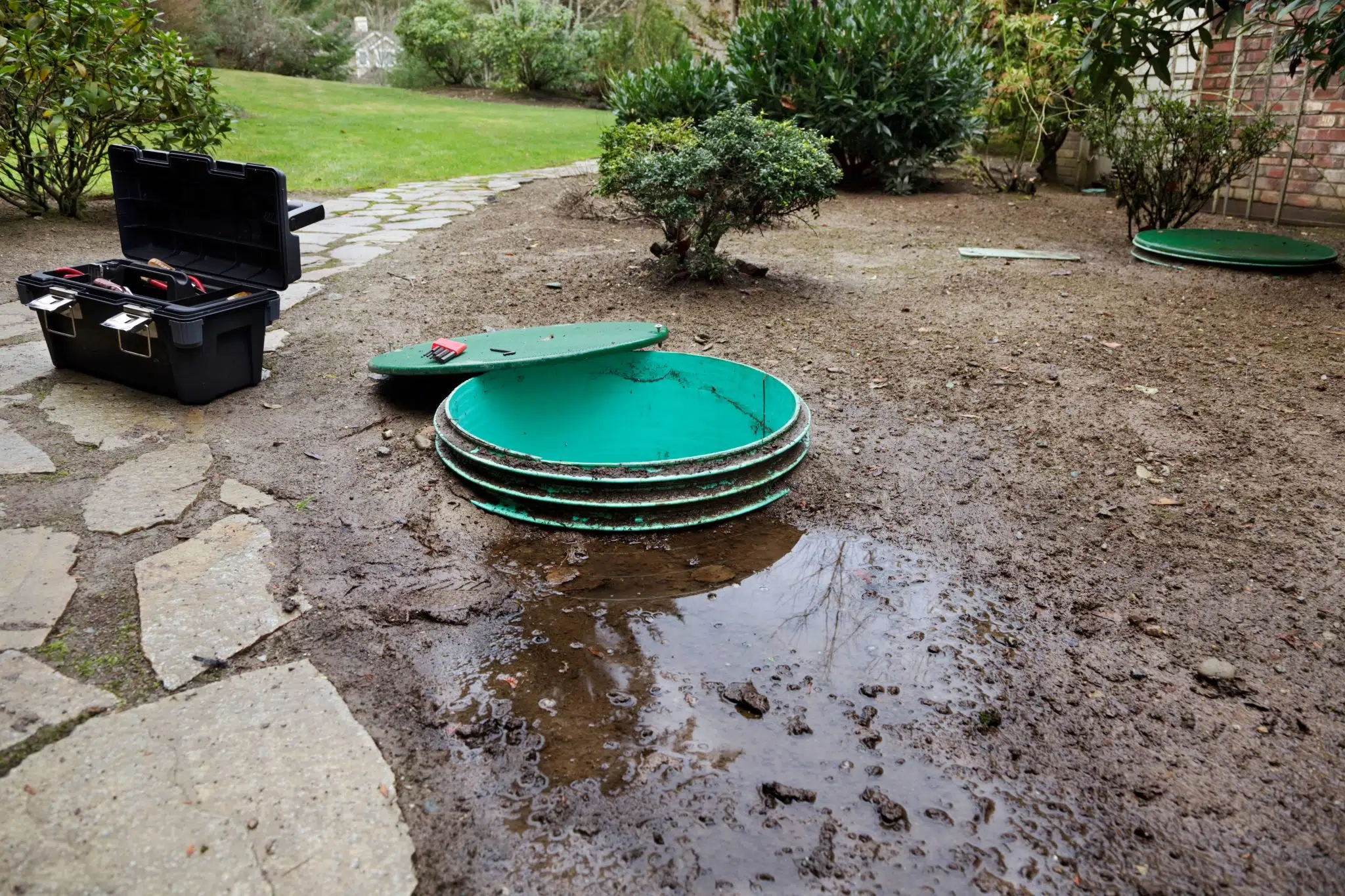
Septic tanks are underground chambers that are used to treat, collect and disperse the wastewater generated by commercial and residential properties. Septic tanks are an important element in the process of treating wastewater. They allow for safe treatment of wastewater while also protecting the public and the environment.
Concrete vs. precast septic tanks: Which is the best option for you?
Concrete septic tanks are long been popular because of their strength and endurance. They are built on site using concrete poured and are renowned for being solid. Concrete tanks require a lot of labor to build and can take a long time.
Precast septic systems are manufactured on-site, and then delivered to the property, ready for be put in place. They are made within controlled environments to ensure the same quality and structural strength. Precast offers the advantages of faster installation and lower labor costs.
Precast tanks can provide many benefits to property owners who are considering upgrading or replacing their existing septic system. Precast tanks are assured that they will meet strict quality standards because of the manufacturing process that is controlled. Furthermore, the effective installation process reduces the disturbance to the property and reduces overall project timelines. For more information, click Septic tanks for sale near me
How to maintain your concrete septic tanks to ensure long-term durability
Although the durability of concrete tanks for septic use is well-known and appreciated, maintenance is essential to ensure the tank’s durability over the long run. Regular inspections and pumping is vital to prevent problems such as clogging and structural damage. To avoid the damage to the septic tank, property owners must be aware of the materials and chemicals that they inject into the system.
Environmental concerns are taken into consideration in the design of a precast septic tank. The tanks are constructed using sustainable techniques that help reduce the amount of energy and waste. The long-lasting and durable nature of precast tanks also contributes to a reduced environmental impact over the course of their life.
If they are considering installing a septic tank Property owners should evaluate their needs in particular and the property characteristics. The choice between precast and concrete tanks can be influenced by many factors, including the soil type, the size of the property, and local regulations. Speak with experts to make an informed decision about your particular needs.
How Septic Tanks can contribute to Sustainable Wastewater Management
Septic tanks are an essential part of sustainable wastewater management. They provide a way to manage and dispose of household effluent. The proper maintenance of a septic system can safeguard surface water, groundwater and local ecosystems.
Selecting the right size septic tank is crucial to ensure effective wastewater treatment, and to avoid overloaded systems. The dimensions of your home, the amount of water used, and number of residents should all be taken into consideration when deciding on the size of the tank. The correct tank size is vital to ensure effective wastewater treatment and disposal.
Modern manufacturing techniques used to make precast septic tanks solutions produce reliable, high-quality solutions for effective wastewater treatment. The tanks are designed to meet strict industry standards. They give property owners an easy-to-maintain water treatment.
Septic tanks require routine maintenance to ensure their optimal performance and long-term durability. Property owners should follow scheduled maintenance programs, including the inspection, pumping and monitoring the system. By making maintenance a priority, homeowners can save money on repairs and maintain the operation of their septic tank system.
The layout of a septic tank system is an important aspect of sustainable wastewater management. The system should be designed to suit the specific requirements of the property, whether it is precast or concrete. It must also ensure that wastewater is properly treated and eliminated efficiently. A professional design and installation will help the property owner construct solid and efficient Septic tanks.
The Environmental and Economic Benefits of upgrading to a precast Septic Tank System
The upgrade to a precast system for septic tanks is beneficial both for the environment as well as the homeowners’ finances. Precast tanks reduce installation costs and time, which could save property owners money. In addition the environmental benefits of precast tanks are a benefit to sustainable wastewater management practices.
The best septic system is vital for property owners who are searching for sustainable solutions to water management. It doesn’t matter if you choose precast or concrete options property owners must take into account factors such as durability, installation efficiency in relation to environmental impact as well as long-term maintenance requirements. When they make informed decisions homeowners can be sure of the efficiency and longevity of their septic tanks for many years to come.